 Marine Protected Areas
National Marine Protected Areas Center
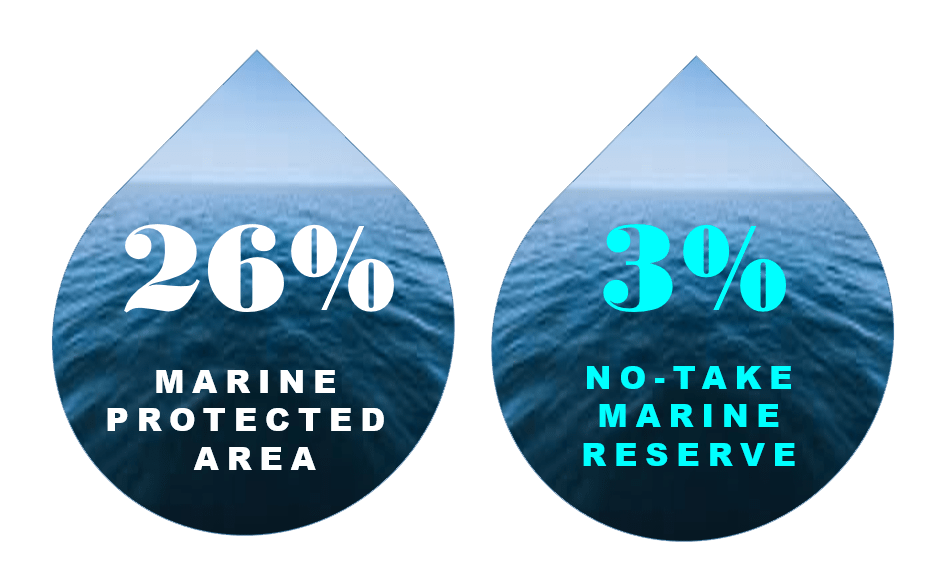
Coverage of MPAs in U.S. Waters
Marine protected areas cover 26% of U.S. waters. View, query and explore the MPA Inventory, a database that catalogs information on nearly 1,000 marine protected areas in U.S. waters.
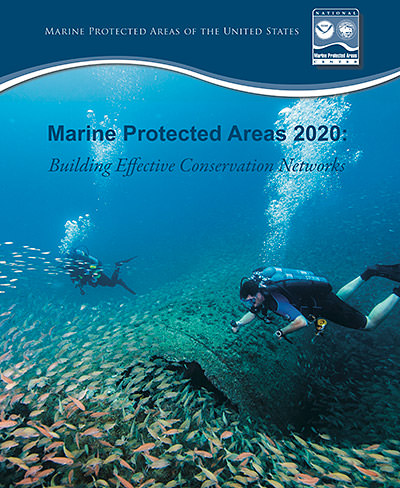
Marine Protected Areas 2020: Building Effective Conservation Networks
This report summarizes U.S. contributions towards six key aspects of successful marine protected area (MPA) networks. The U.S. has established nearly 1,000 MPAs (as defined by the International Union for the Conservation of Nature (IUCN)) to protect important places in our ocean, estuaries, coastal waters, and Great Lakes. Scientists and managers have identified the following characteristics for networks of MPAs to achieve conservation outcomes:
- Area protected
- Ecologically representative
- Ecologically connected
- Other effective conservation measures (that are not MPAs)
- Effectively managed MPAs
- Integrated into the wider seascape
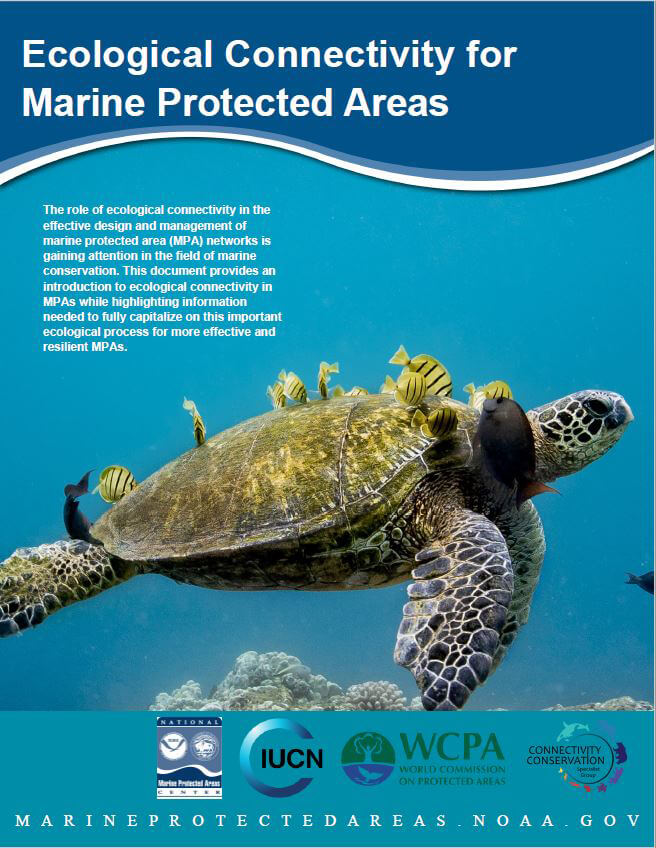
Ecological Connectivity for Marine Protected Areas
The role of ecological connectivity in the effective design and management of marine protected area (MPA) networks is gaining attention in the field of marine conservation. This document provides an introduction to ecological connectivity in MPAs while highlighting information needed to fully capitalize on this important ecological process for more effective and resilient MPAs.
Managing Marine Protected Areas
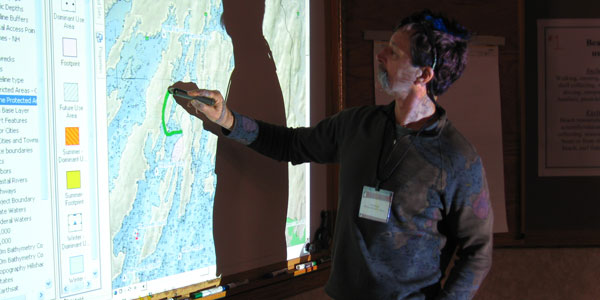
Learn about how MPA programs are meeting the challenges of managing in a changing climate, conserving cultural heritage, and addressing ocean uses.